October 24, 2026
Maintaining a comfortable, energy-efficient, and warm indoor environment during cold winter months relies heavily on the dependable performance of your residential or commercial hydronic heating system. Unlike forced-air heating setups that blow warmed air through duct networks, boilers circulate heated water or steam through sealed copper or iron pipes to radiators, baseboard units, or radiant floor loops. This approach delivers consistent, radiant warmth without blowing dust particles or allergens across living spaces. However, hydronic systems feature complex pressure vessels, fuel burners, electrical controls, and intricate plumbing components that demand precise technical oversight. Ensuring safe, efficient operation requires engaging qualified professionals who possess specialized knowledge of hydronic heating principles and regional building codes.
Selecting the right professional team to maintain, repair, or replace your hydronic heating equipment requires understanding what sets boiler systems apart from standard forced-air setups. Entrusting complex hydronic machinery to undertrained technicians risks improper fuel combustion, persistent heating imbalances, accelerated component corrosion, and dangerous carbon monoxide leaks. Scheduling comprehensive HVAC services with certified hydronic specialists guarantees that system pressure remains balanced, fuel combustion operates cleanly, and safety release valves function correctly throughout the coldest months of the year. Taking a proactive approach to professional contractor selection protects your property investment, lowers monthly energy bills, and ensures uninterrupted winter comfort for your family or tenants.
Evaluating Specialized Licensing and Technical Hydronic Certifications
Evaluating professional qualifications and industry certifications represents a critical first step when selecting a service contractor for hydronic heating equipment. Boiler systems operate under elevated internal pressure and rely on natural gas, propane, oil, or high-voltage electricity, making specialized training an essential safety requirement. State licenses, trade certifications, and manufacturer-specific training credentials prove that a contractor possesses the technical skills needed to handle hydronic piping, fuel gas lines, and high-pressure steam vessels safely.
General heating contractors who focus primarily on forced-air furnaces may lack the specialized expertise required to diagnose complex hydronic issues, such as airlocks, failing circulator pumps, or faulty expansion tanks. Requesting proof of specialized licensing and hydronic training ensures that your contractor understands modern condensing technology as well as legacy steam setups. Booking certified HVAC services provides peace of mind, knowing that qualified technicians are managing your property's pressure vessels according to strict municipal safety codes and industry standards.
Verifying Comprehensive Insurance Coverage and Safety Protocols
Verifying that a contractor carries comprehensive general liability insurance, commercial vehicle coverage, and worker's compensation insurance protects homeowners from financial risk during major repair or replacement projects. Hydronic heating work involves working with high-temperature water, heavy iron components, gas supply lines, and electrical connections, creating potential site hazards if safety protocols are neglected. A reputable contractor willingly provides proof of insurance documentation and maintains strict safety standards on every job site.
If an uninsured worker suffers an injury or accidentally causes water damage to your property during a repair visit, you could face significant financial liability and costly legal disputes. Legitimate contractors prioritize technician safety, utilize proper protective gear, and follow rigorous testing protocols before reigniting fuel burners or pressurizing water lines. Engaging fully insured HVAC services safeguards your home against unexpected property damage and shields your household from legal liability throughout the service call.
Understanding the Differences Between Steam and Hot Water Systems
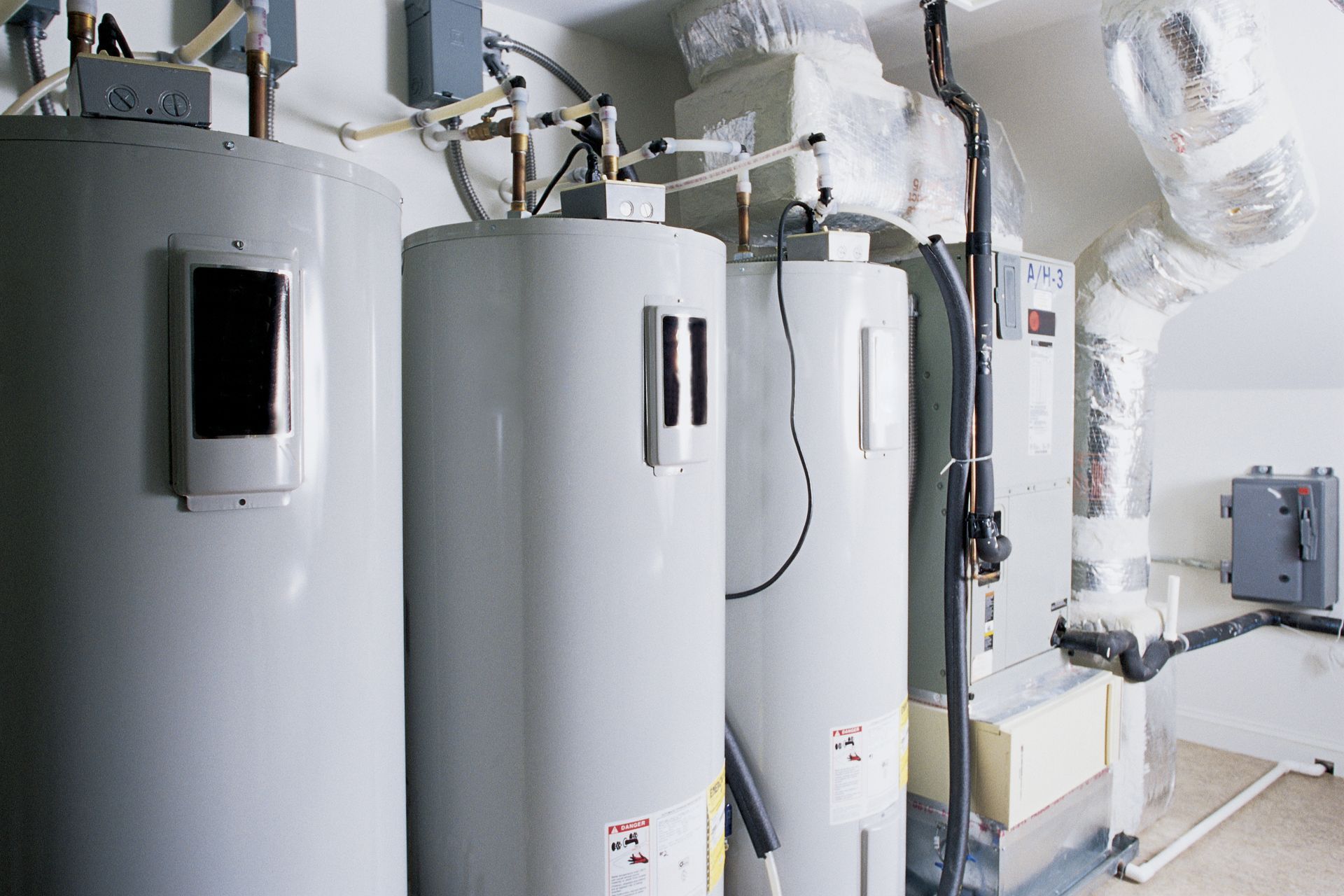
Understanding whether your property relies on a low-pressure steam setup or a modern forced hot water hydronic system helps you choose a contractor with relevant field experience. Steam systems utilize higher operating temperatures, specialized pressure controls, sight glasses, and steam traps to distribute vapor through iron radiators. Hot water systems rely on closed-loop piping, motorized zone valves, expansion tanks, and circulator pumps to move heated liquid continuously throughout the building.
Each system type demands distinct troubleshooting techniques, water chemistry management, and pressure calibration strategies. A technician skilled in hot water circulator pumps might struggle with the subtle pressure balances and water-level monitoring required for single-pipe steam systems. Hiring specialized HVAC services with proven experience in your specific heating design guarantees accurate diagnostic assessments, correct replacement part selection, and optimal thermal performance across every room in your building.
Assessing Experience With System Sizing and Energy Efficiency Upgrades
Assessing a contractor's ability to perform accurate heating load calculations is crucial when replacing an outdated or failing unit. Simply installing a new unit with the same heat output as the old equipment often leads to over-sizing, inefficient short-cycling, elevated fuel consumption, and premature component wear. Qualified hydronic specialists conduct detailed room-by-room calculations, evaluating insulation levels, window square footage, ceiling heights, and regional climate patterns to determine exact heating requirements.
Understanding long-term equipment performance and replacement timing helps property owners make informed financial decisions regarding energy efficiency upgrades. According to This Old House, boilers typically last 15 or more years, with replacement recommended when units experience frequent breakdowns or operate below 70% efficiency, wasting significant fuel costs. Partnering with knowledgeable HVAC services ensures that your new high-efficiency condensing unit is sized correctly, lowering monthly utility costs and maximizing seasonal heating performance.
Demanding Transparent Pricing Estimates and Written Guarantees
Demanding itemized cost estimates and written labor guarantees before work begins prevents unexpected financial surprises and ensures clear communication between property owners and service providers. Professional contractors provide detailed written proposals that outline diagnostic fees, required replacement parts, labor rates, permit costs, and expected completion timelines. Transparent estimates allow you to compare service offers objectively and understand the exact scope of work being performed on your heating system.
Beware of contractors who offer vague verbal quotes or demand total upfront payment before diagnosing or repairing your equipment. Reputable heating companies stand behind their technical workmanship with written labor warranties, manufacturer warranty backing on installed components, and clear follow-up service policies. Scheduling transparent HVAC services protects your repair budget, ensures fair market pricing, and holds technicians accountable for delivering lasting technical quality on every project.
Prioritizing Routine Maintenance and Annual Safety Inspections
Prioritizing annual preventative maintenance and safety inspections extends equipment lifespan, prevents unexpected mid-winter breakdowns, and ensures safe fuel combustion. Annual maintenance involves flushing sediment from heat exchangers, inspecting flue pipe venting for corrosion, testing automatic low-water cutoff controls, checking expansion tank pressure, and cleaning burner assemblies.
Skipping annual tune-ups allows minor component wear to escalate into costly structural breakdowns during peak winter freezing conditions.
Additionally, regular professional inspections detect dangerous carbon monoxide leaks, gas line seeps, and minor heat exchanger cracks before they threaten indoor air safety. Maintaining a consistent annual maintenance log preserves manufacturer warranty coverage and keeps high-efficiency condensing units operating at peak performance levels year after year. Booking recurring HVAC services establishes a proactive defense against heating failures, protecting your family's health, comfort, and property value throughout every cold weather season.
At Dunton Energy Services, we are deeply committed to protecting your home's heating infrastructure, enhancing winter living comfort, and delivering superior hydronic heating solutions through master technical craftsmanship, high-grade replacement components, and dedicated customer care. Our team of licensed hydronic specialists brings extensive regional industry experience, advanced diagnostic equipment, and meticulous attention to detail to every boiler repair, annual safety inspection, and high-efficiency replacement project we execute across our community. We take immense pride in evaluating your unique piping layout, calculating exact heating loads, recommending high-efficiency equipment options, and executing flawless technical installations that add value to working with dedicated local energy specialists.