October 21, 2026
Upgrading your home's heating system is a significant investment that can affect indoor comfort, energy consumption, and long-term household expenses. With several technologies available, homeowners must consider more than the purchase price when deciding which system best suits their needs. Comparing efficiency, fuel sources, installation requirements, and ongoing costs can help make the decision easier. Consulting the best heating company can also provide valuable guidance when evaluating different heating solutions and planning an upgrade.
Whether an existing system is aging or a homeowner wants to explore more efficient technology, understanding the available options is an important first step. A thoughtful approach helps homeowners choose equipment that delivers reliable warmth while supporting their budget and long-term comfort goals.
Assessing Your Current Heating System
Identifying System Type and Age
Before selecting a replacement, homeowners should identify their current heating system and determine how long it has been in service. Common options include furnaces, boilers, heat pumps, and radiant heating systems. Each operates differently and has distinct installation and maintenance requirements. According to This Old House, furnaces have a lifespan of 15-20 years, although actual longevity depends on factors such as installation quality, maintenance, and operating conditions.
Age alone does not determine whether a system needs replacement, but it provides useful context when evaluating performance and future expenses. An older unit may lack the efficiency and features available in modern equipment. Consulting the best heating company can help homeowners assess their current system, compare replacement options, and determine whether continued operation or an upgrade makes more financial sense.
Evaluating Efficiency and Performance
Heating efficiency affects how much energy a system uses to maintain comfortable indoor temperatures. Furnaces and boilers commonly use the Annual Fuel Utilization Efficiency (AFUE) rating, which measures how effectively fuel is converted into usable heat. Comparing ratings helps homeowners understand the potential efficiency differences between older equipment and newer models.
Performance matters just as much. Rooms that remain cold, frequent temperature fluctuations, and unusually high energy bills may indicate that a system is struggling. However, these problems can also result from ductwork issues, insulation deficiencies, or thermostat settings. A thorough evaluation helps identify the underlying cause before a homeowner commits to replacing equipment.
Reviewing Operating and Maintenance Costs
Past utility bills and repair expenses provide a practical starting point for assessing the cost of keeping an existing system. Frequent service calls and rising operating costs may make an upgrade worth considering, especially when combined with declining performance. Homeowners should compare these expenses with the projected costs of installing and operating a different system.
Maintenance requirements also deserve attention. Some systems need periodic inspections and component servicing, while others have different upkeep needs. Understanding these responsibilities makes it easier to choose equipment that fits a household's budget and expectations for reliability.
Comparing Available Heating Technologies
Understanding Different System Types
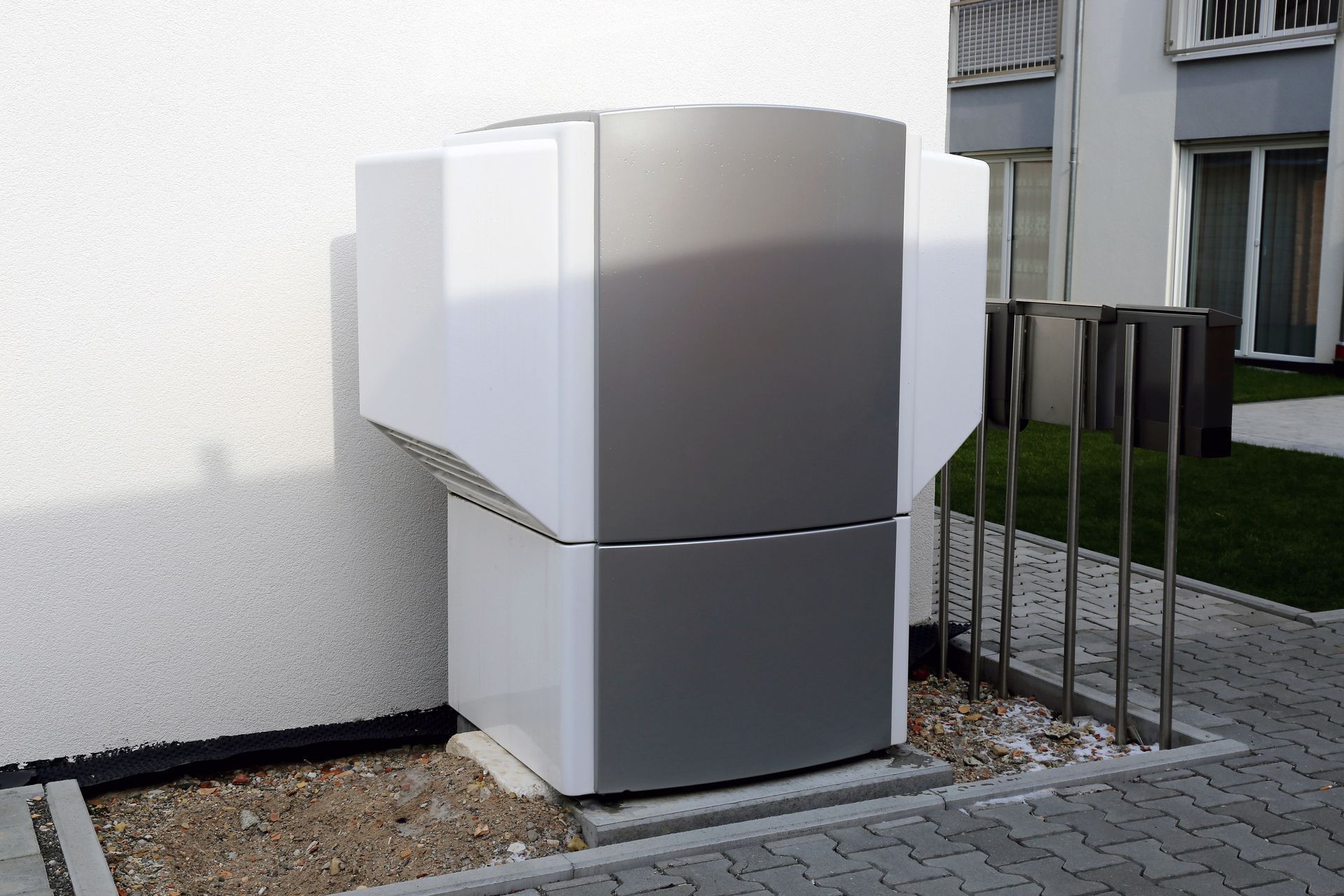
Furnaces remain a common choice for homes with existing ductwork, using electricity or fuel such as natural gas or propane to produce heat. Boilers heat water and distribute warmth through radiators or other hydronic systems. Heat pumps transfer heat rather than generating it through conventional combustion, and many models provide both heating and cooling.
Radiant heating is another option, delivering warmth through floors or other heated surfaces. Its suitability depends on the home's layout, installation requirements, and existing infrastructure. The best heating company can explain the practical differences between these technologies and help homeowners identify options that align with their property's characteristics.
Comparing Efficiency and Environmental Impact
Efficiency ratings provide a useful basis for comparing equipment, but homeowners should also consider local climate, fuel prices, and expected usage. Heat pumps can offer efficient operation by moving heat between indoor and outdoor environments. High-efficiency furnaces may also be appropriate for properties where fuel availability, existing ductwork, and heating demands favor that approach.
Environmental considerations may influence the decision as well. Some homeowners prioritize reducing fuel consumption, while others focus on compatibility with renewable electricity or minimizing their household's overall energy use. The best heating company can explain how different systems compare in efficiency and help homeowners evaluate options that support their environmental and comfort goals.
Exploring Smart Controls and Modern Features
Modern heating systems may offer programmable thermostats, remote controls, and diagnostic features that make temperature management more convenient. Smart thermostats allow homeowners to adjust schedules according to occupancy and daily routines, potentially reducing unnecessary heating. However, savings depend on the home, equipment, and how these features are used.
Some systems also include monitoring tools that help identify operating issues. Homeowners should compare which features are genuinely useful rather than paying extra for technology they may not need. Compatibility with existing thermostats, electrical systems, and home automation equipment should be confirmed before installation.
Planning for the Financial Impact
Estimating Installation and Conversion Costs
The cost of changing heating technologies extends beyond purchasing new equipment. Installation may involve modifying ductwork, upgrading electrical connections, adding ventilation, or adapting the home to a different fuel source. Radiant heating, for example, can require substantial work when installed in an existing home, while replacing a furnace with a similar model may involve fewer structural changes.
Homeowners should request detailed estimates that explain equipment costs, labor, necessary modifications, and any additional work. Comparing proposals from the best heating company and other qualified providers helps clarify what each estimate includes. The lowest initial price may not represent the best overall value if it excludes important installation requirements.
Calculating Long-Term Savings
A more efficient heating system may reduce energy expenses, but actual savings depend on the equipment selected, local energy rates, household habits, and the condition of the home. Homeowners should consider projected operating costs alongside the initial investment. The best heating company can help explain these factors so homeowners can compare potential long-term costs without relying solely on advertised efficiency figures.
Equipment lifespan is another important consideration. Comparing expected service life, maintenance requirements, and replacement costs provides a broader picture of long-term value. Professional guidance can help homeowners weigh these factors realistically and avoid making a decision based solely on advertised efficiency figures.
Preparing for a Successful Heating Upgrade
Evaluating Home Size and Installation Needs
The right heating system must match the property's heating requirements. Factors such as square footage, insulation, ceiling height, window quality, and local climate influence how much heat a home needs. Equipment that is too small may struggle to maintain comfortable temperatures, while oversized equipment can cycle inefficiently and create uneven conditions.
Professional load calculations help determine appropriate equipment capacity instead of relying on square footage alone. Homeowners should also discuss ductwork condition, ventilation, electrical capacity, and any necessary modifications. These details help ensure the selected system can operate safely and effectively.
Choosing Qualified Installation Professionals
Proper installation is essential to achieving the expected performance of new heating equipment. Homeowners should compare licensing and insurance requirements, relevant experience, written estimates, warranty information, and the scope of services offered. Asking questions about installation procedures and post-installation support can also clarify what to expect throughout the project.
Homeowners should look for professionals who explain available options clearly, address property-specific concerns, and provide recommendations based on the home's actual requirements. Transparent communication and realistic explanations of costs and potential benefits are more valuable than broad promises of savings.
Before work begins, confirm the installation schedule, responsibilities for any additional modifications, and the documentation that will be provided when the project is complete. Understanding these details helps reduce uncertainty and supports a smoother transition to the new equipment.
Choosing a different heating system requires careful consideration of equipment age, efficiency, installation requirements, and long-term costs. By comparing technologies and obtaining professional guidance, homeowners can make a decision that balances comfort, performance, and affordability. Dunton Energy Services can help homeowners explore their heating options and determine an appropriate path toward dependable indoor comfort. Contact the team to discuss your home's heating needs and plan your next upgrade.