5 Benefits of HVAC Preventative Maintenance Services

April 2, 2026

Owning a home or managing a property comes with a long list of responsibilities. Among them, your heating, ventilation, and air conditioning system — or HVAC system — is one of the most critical components. It keeps your home comfortable year-round, controls humidity, and even helps maintain air quality. But just like any mechanical system, it needs care to perform at its best. That’s where HVAC preventative maintenance comes in. This isn’t just about avoiding problems; it’s about protecting your investment, creating a healthier environment, and enjoying consistent comfort in your home.

Let’s explore five significant ways regular HVAC preventative maintenance can make a difference and why it’s worth prioritizing in your home care routine.


1. Extends the Life of Your System

One of the most immediate benefits of regular maintenance is extending the life of your HVAC system. Think about it: your system runs for hours every day, enduring changes in temperature, dust, and humidity. Without regular attention, minor issues can compound and lead to larger problems down the line. A well-maintained system experiences less strain, which naturally prolongs its functionality and reduces the likelihood of unexpected breakdowns that can disrupt your daily routine.


According to This Old House, air conditioners have a life span of about 15 years. With preventative maintenance, you can help your unit reach, or even surpass—that expected life span. Maintenance tasks like cleaning coils, checking refrigerant levels, and ensuring the blower motor operates efficiently prevent wear and tear. By catching small issues before they grow, you give your system a better chance to perform reliably for years. Regular attention also helps your system respond more effectively to seasonal demands, whether you’re facing sweltering heat or chilly winter days.


A properly maintained system doesn’t just last longer; it operates more smoothly. You’ll notice fewer sudden interruptions during the hottest summer days or the coldest winter nights. That peace of mind, knowing your home’s comfort depends on a system that’s in peak condition, is worth every maintenance visit. Additionally, the consistent performance helps maintain indoor air quality and prevents small annoyances, like uneven airflow, from becoming larger problems over time.


2. Improves Energy Efficiency

Energy bills can easily become a source of stress, especially when you’re heating or cooling your home for long periods. One of the hidden costs of neglected HVAC systems is decreased energy efficiency. Dirt, dust, and worn components make your system work harder than it should, which leads to higher electricity consumption and rising bills.


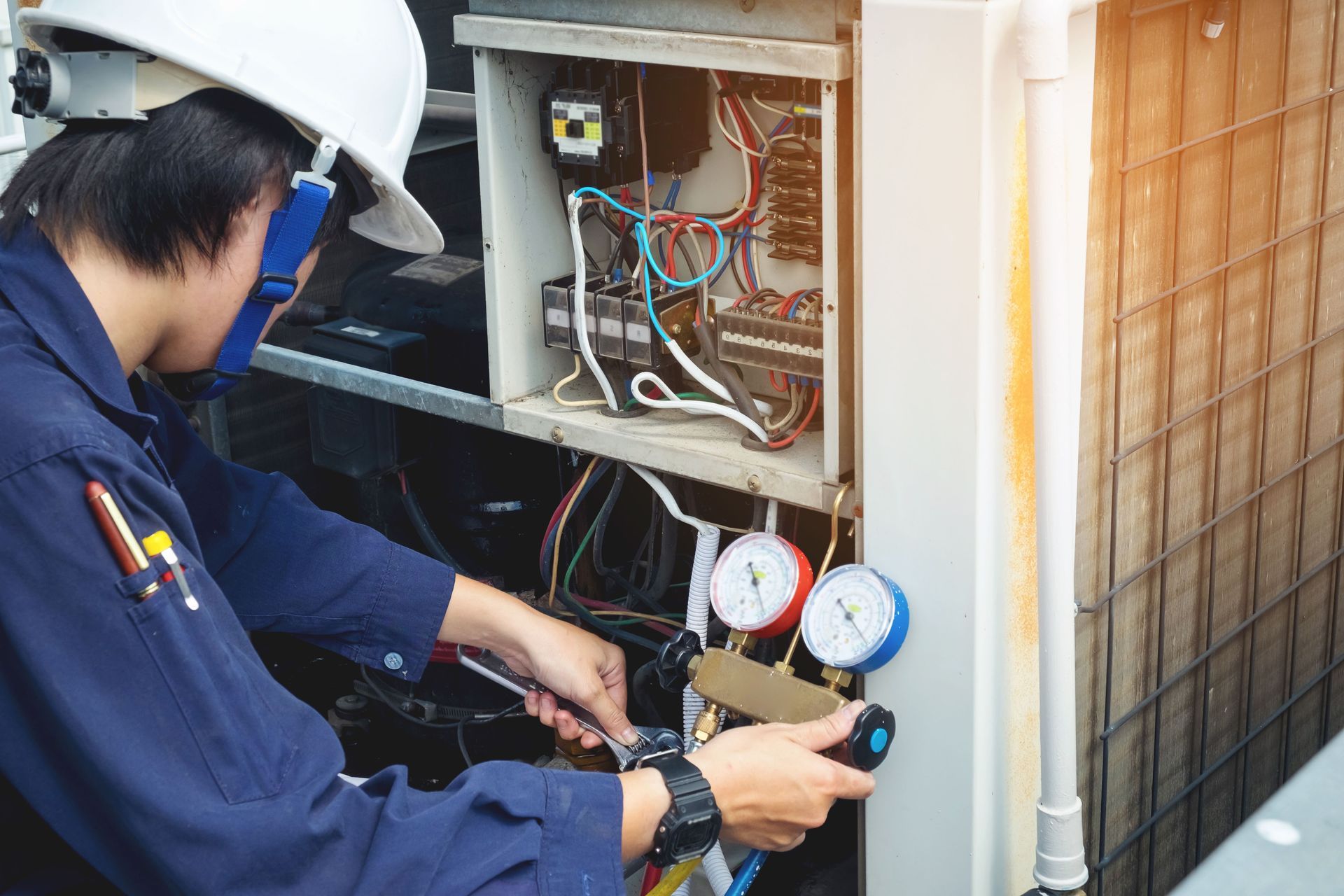
HVAC preventative maintenance keeps your system running efficiently. Cleaning filters, lubricating moving parts, and checking electrical connections help ensure your unit doesn’t waste energy. When your system operates smoothly, it uses less power to maintain the desired temperature in your home. The difference in energy use can be noticeable over time, giving you a sense of relief when the monthly bill arrives.


Efficiency isn’t just about saving money. A system running at peak efficiency also reduces unnecessary strain, helping components last longer. It’s a cycle: proper maintenance improves performance, conserves energy, and protects your system. Over time, these small efficiencies accumulate, creating a more sustainable home environment and contributing to long-term comfort.


3. Enhances Indoor Air Quality

 Many homeowners underestimate the impact of their HVAC system on indoor air quality. Air moves through your system continuously, and any accumulated dust, mold, or debris can circulate throughout your home. Over time, this can contribute to allergies, respiratory irritation, or an uncomfortable living environment. Poor air quality can also aggravate existing health conditions and make your living space feel stuffy or unpleasant, even when temperatures are comfortable.


Regular HVAC preventative maintenance addresses these concerns. Cleaning ducts, replacing filters, and inspecting the system for signs of mold or buildup ensures that the air circulating in your home is cleaner and fresher. Even small improvements in air quality can make a big difference in how your home feels. Rooms feel lighter, odors are reduced, and the overall environment is healthier for everyone living there. Routine attention also helps reduce the spread of dust and allergens over time, keeping surfaces cleaner and making daily upkeep easier.


Additionally, proper airflow prevents hotspots or uneven cooling and heating, which can make certain areas of your home uncomfortable. Maintenance ensures that your system distributes air evenly, creating a more consistent and enjoyable atmosphere. Knowing that your HVAC system is supporting your family’s well-being adds peace of mind that goes beyond temperature control. It also helps create an environment that is welcoming, comfortable, and safe for everyone who lives in or visits your home.


4. Reduces the Likelihood of Costly Repairs

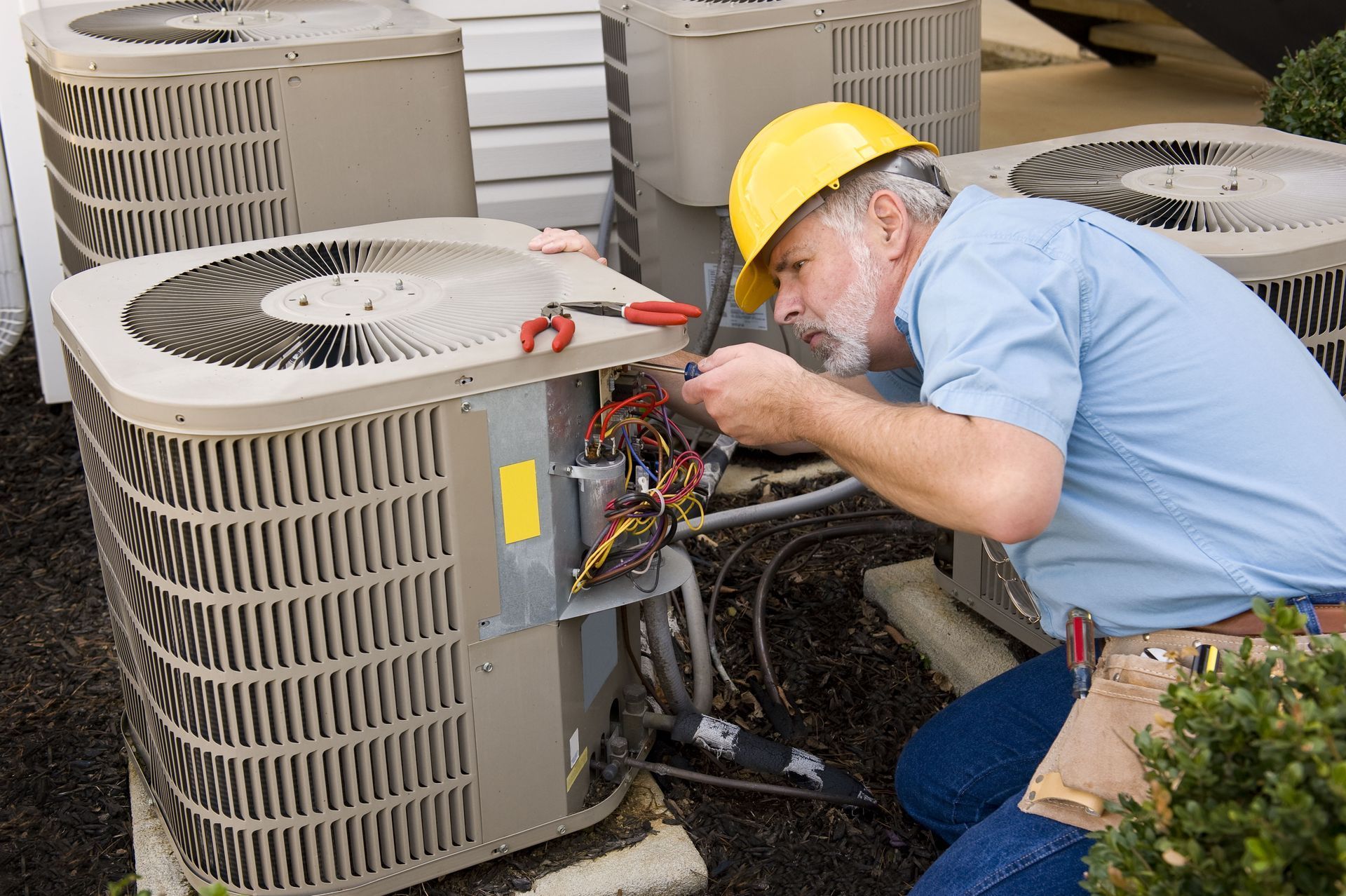
Few things are more frustrating than an unexpected HVAC breakdown. Not only is it inconvenient, but repairs can be costly, especially if major components fail. HVAC preventative maintenance is designed to prevent these surprises by identifying potential issues early. A technician can spot worn belts, refrigerant leaks, or electrical concerns before they turn into expensive emergencies.


By investing a little time and care into regular maintenance, you can avoid the stress of last-minute repairs. It’s far more manageable to schedule a routine check than to scramble when your system fails in extreme weather. In many cases, addressing minor issues during a maintenance visit keeps them from escalating into significant problems, protecting your budget and your comfort.


Even small repairs caught early can prevent a chain reaction of failures. For example, a failing blower motor may eventually damage other components if not addressed promptly. Preventative care stops these domino effects, making your system more reliable and your home life smoother. You also gain clarity about your system’s condition, which allows you to plan rather than react under pressure.


5. Maintains Consistent Comfort Throughout the Year

At the end of the day, your HVAC system is meant to keep your home comfortable. When your system is neglected, you might notice uneven temperatures, lingering humidity, or rooms that never quite feel right. Regular maintenance ensures that your system performs at its intended level, providing a consistent climate throughout your home.


HVAC preventative maintenance involves checking airflow, calibrating thermostats, and making adjustments to ensure the system meets your comfort needs. This creates a home environment that feels inviting in every season, without sudden fluctuations in temperature or humidity. It’s not just about cold air in summer or warmth in winter — it’s about creating a space where your family feels comfortable and relaxed all year long.


Consistent comfort also reduces stress. You don’t have to worry about waking up to a freezing bedroom in the middle of winter or struggling through a sweltering day in the summer. Your system’s performance is reliable, which contributes to a sense of stability and peace in your daily routine. Over time, this reliability allows you to enjoy your home more fully and focus on the things that matter rather than constantly monitoring your HVAC system.


HVAC preventative maintenance isn’t just a routine task — it’s an investment in the life of your system, the comfort of your home, and the health of your family. By extending the life of your equipment, improving energy efficiency, enhancing air quality, reducing the likelihood of costly repairs, and maintaining consistent comfort, you ensure that your HVAC system performs the way it was designed to.


Taking a proactive approach makes a noticeable difference in both your home environment and your peace of mind. If you’re ready to experience the benefits of professional care for your HVAC system, contact Dunton Energy Services today for expert HVAC preventative maintenance.

5 Benefits of HVAC Preventative Maintenance Services
HVAC company
March 2, 2026
Here's how to know when to replace your furnace with help from an HVAC company. Discover signs like high bills, repairs, uneven heat, and poor air quality.
January 5, 2026
As homeowners increasingly seek energy-efficient solutions, the demand for skilled HVAC professionals has surged. Choosing the right HVAC contractor can be a daunting task with numerous options available in the market. An HVAC system is a significant investment for your home, providing comfort and impacting energy efficiency, so making an informed decision is crucial. Identify Your Needs Before selecting an HVAC contractor, it's essential to identify your specific needs. Are you looking for a new installation, or do you require repair or maintenance of an existing system? Understanding your requirements will help you communicate more effectively with potential contractors. Consider your budget, the type of system you have or need, and any particular features or certifications you might require. By clearly defining your needs upfront, you can narrow down your options and find a contractor who specializes in the type of work you require. Gathering recommendations is a vital step in choosing an HVAC contractor. Talk to friends, family members, and neighbors who've recently had HVAC work done. Personal referrals can give you honest feedback about their experience with a contractor, including workmanship and reliability. Additionally, recommendations are often based on positive experiences, which can give you confidence in your choice. Don't hesitate to ask about any issues they encountered and how those were resolved. In today's digital age, online reviews can be a treasure trove of information about HVAC contractors. Online platforms provide customer feedback that can reveal patterns in customer satisfaction and service quality. Look for contractors with consistently high ratings and positive reviews that mention professionalism, communication, and problem-solving skills. However, be cautious of reviews that seem overly positive or negative without substantial detail. A balanced view will help you make an informed decision based on a combination of both online testimonials and personal recommendations. Check Licenses Ensuring that an HVAC contractor holds the necessary licenses is crucial in verifying their legitimacy. Licensing requirements can vary by state and locality, so it's important to understand the specific regulations in your area. A licensed contractor signifies they've met the minimum training and experience requirements, ensuring they're equipped to handle your HVAC needs safely and effectively. Ask the contractor for their license number, and verify it with your state's licensing board. This verification protects you as a consumer and helps ensure that the work will meet regional standards. Insurance coverage is another significant factor to consider when choosing an HVAC contractor. Verify that the contractor has both liability insurance and worker's compensation coverage. Liability insurance protects your property in the event of accidental damage during the project, while worker's compensation covers any injuries workers might suffer while on the job. Hiring an uninsured contractor could leave you responsible for covering these costs. Request a copy of their insurance certificates and confirm their validity with the issuing provider. It's important to assess the contractor's experience and expertise areas, particularly with the system you have. While newer businesses can offer great service, those with a longer track record may have more established practices and a broader range of experience. Ask how long the contractor has been in business, and inquire about their experience with your specific HVAC system model or brand. Also, look for additional certifications they may hold, such as NATE (North American Technician Excellence), which indicates a higher level of technical expertise. Manufacturer accreditations can also provide assurance that they're authorized to handle warranty work on your system. Initial Response Time The initial response time from an HVAC contractor can often foreshadow the level of customer service you can expect. A prompt response to your initial inquiry indicates that the contractor values potential clients and is ready to address your needs. When a contractor takes too long to respond, it could suggest difficulties in communication that might arise throughout the project. Assess how quickly you receive a response via phone or email and whether the contractor shows interest in your project details. This initial interaction can be a good indicator of their overall professionalism and organizational efficiency. Effective communication skills are a crucial component of excellent customer service. When you discuss your project details with a potential contractor, pay attention to how well they listen to your concerns and whether they ask insightful questions. A great contractor will explain complex concepts in an understandable way and keep you informed throughout the process. This level of transparency helps ensure there are no surprises or misunderstandings once the project begins. Clear and regular communication also builds trust, which is essential for a successful working relationship. Professionalism is a key attribute to look for in an HVAC contractor, affecting both in-person and phone interactions. During initial consultations, observe how the contractor presents themselves, whether they're punctual, and the level of respect they show when discussing your needs. Professionalism extends to the appearance of their work vehicles, uniforms, and equipment. Contractors who maintain a high level of professionalism often carry this trait through to the quality of their work. Make sure that they provide comprehensive contracts and are willing to clarify any part you might not understand, showcasing contractual clarity essential for customer satisfaction. Request Detailed Quotes When reviewing proposals from HVAC contractors, requesting detailed quotes is of paramount importance. Each quote should break down the costs for labor, materials, and equipment, providing full transparency of where your money goes. Such detailed quotes help you to compare different contractors based on what they offer and not just the total price. Look for itemizations that include potential additional costs, allowances, and exclusions. A complete and thorough estimate is a hallmark of a contractor that takes their work and customer relationships seriously. While cost is an important factor, it shouldn't be the only consideration when evaluating HVAC proposals. It's essential to understand what value each contractor brings to the table beyond the basic service cost. Consider factors like warranties, after-sale service, and satisfaction guarantees, which add value to the agreement. Compare the comprehensive offerings of each contractor and weigh these against their pricing. Often, a slightly higher quote may include features and services that provide better long-term value and security for your investment. Understanding the terms and conditions attached to an estimate or contract is critical to prevent any future disputes. Thoroughly examine the document for details that include payment schedules, timeline guarantees, and any specific terms related to warranty and service maintenance. Make sure these terms are fair and comprehensible, and don't hesitate to seek clarification on points that are ambiguous. Some contractors might offer rebates or incentives, so check if there are opportunities to save on costs through manufacturer offers or government energy efficiency incentives. Clear terms and understanding will facilitate a smooth working relationship and successful project outcome. Indoor comfort and air quality should be a top priority when choosing an HVAC contractor , especially considering how much time we spend inside our homes. According to the American Lung Association, Americans spend approximately 90% of their time in indoor environments, making the performance and reliability of your HVAC system critical to both comfort and overall health. A properly installed and maintained system helps regulate temperature, control humidity, and reduce indoor air pollutants that can aggravate allergies or respiratory conditions. For homeowners seeking dependable service, energy-efficient solutions, and peace of mind, contact Dunton Energy Services to schedule a consultation and ensure your indoor environment is working in your favor.
HVAC services
August 30, 2025
Professional HVAC services keep your system efficient, improve air quality, and extend its lifespan. Enjoy reliable comfort, savings, and healthier indoor air.