April 23, 2026
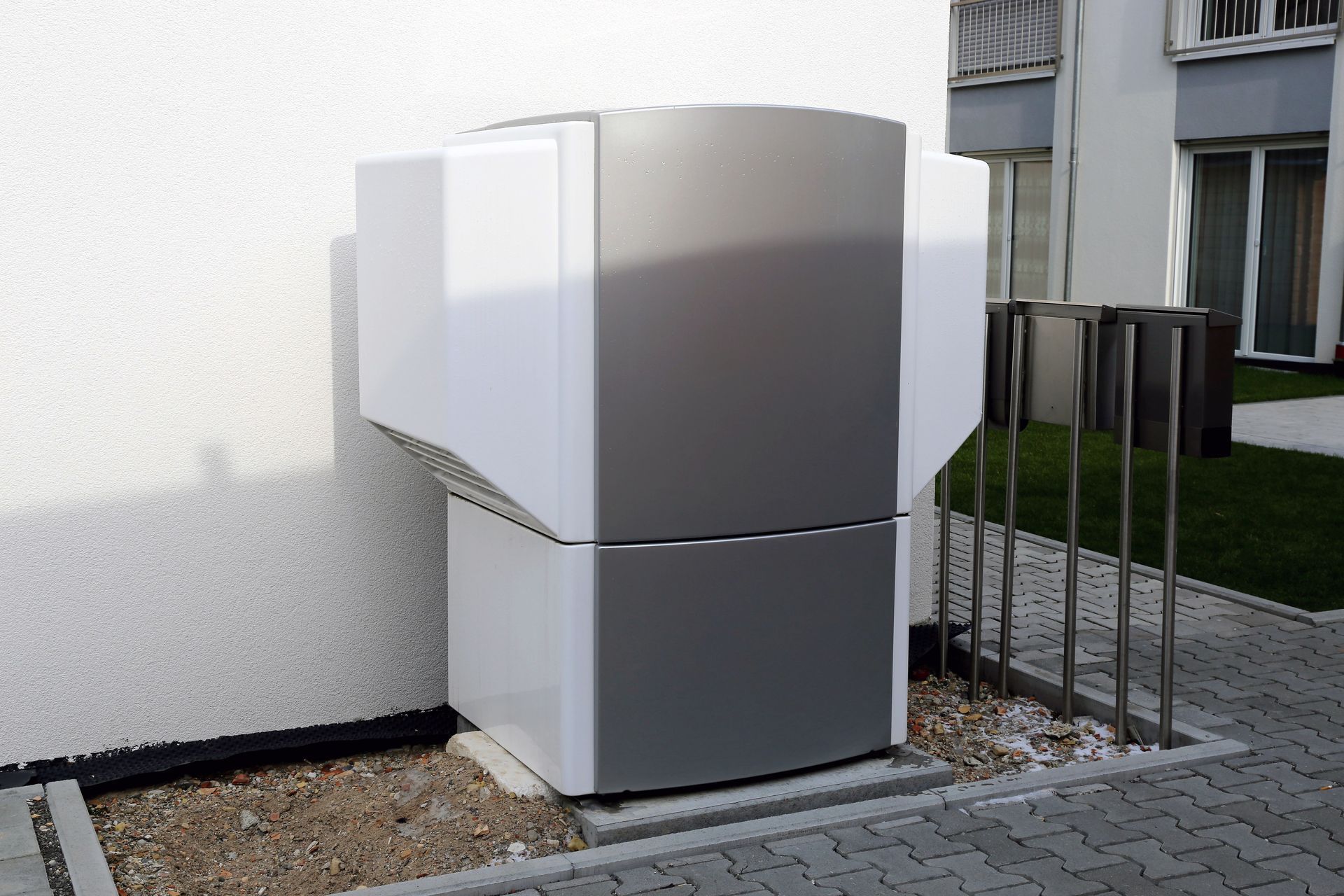
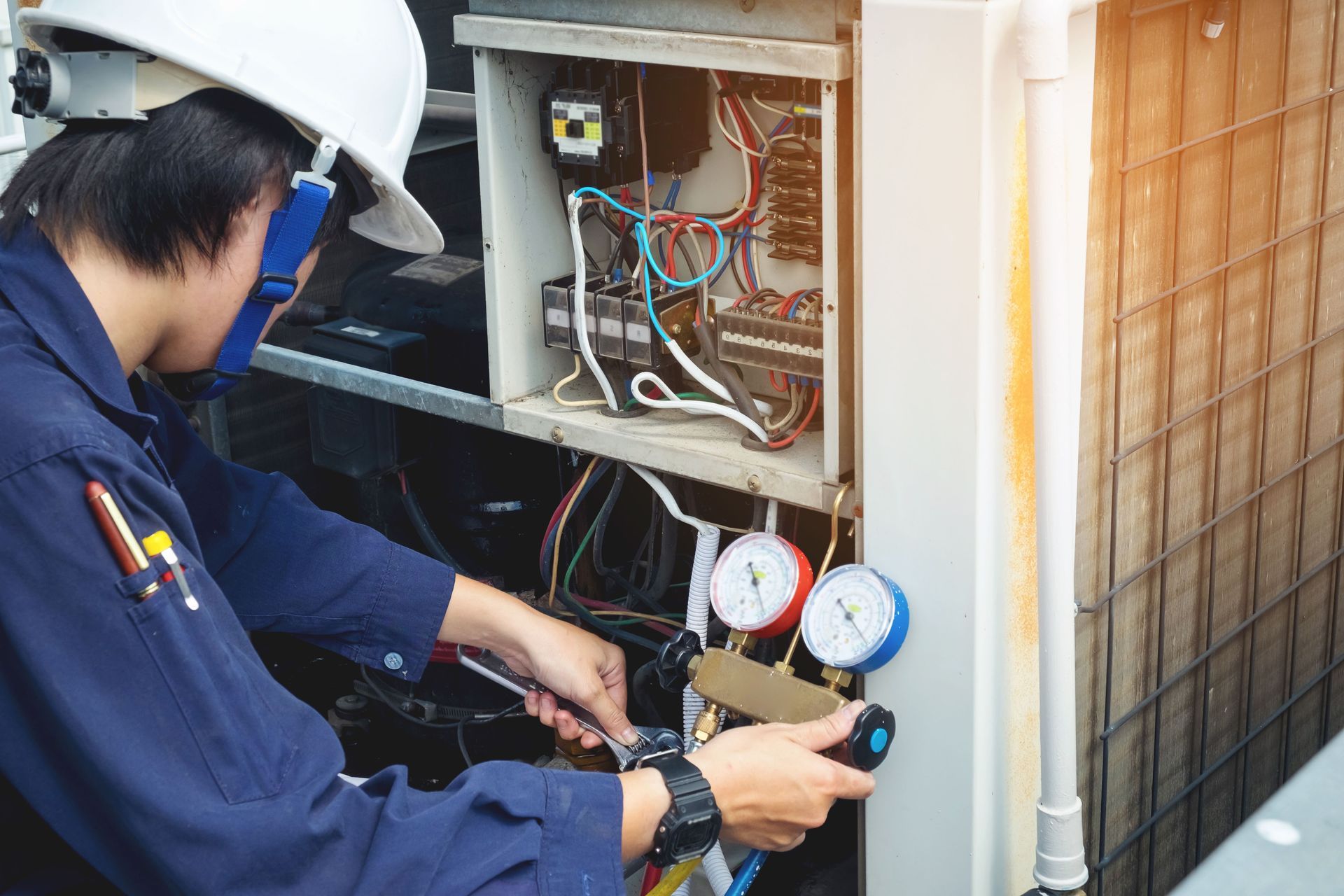
Installing a heat pump offers homeowners an energy-efficient way to manage heating and cooling year-round. While some may consider handling installation independently, relying on a professional HVAC company ensures the system is installed correctly and operates at peak efficiency. Heat pumps involve complex components, including compressors, refrigerant lines, and electrical connections, all of which require expert knowledge to optimize performance and safety. Professional installation also ensures that the unit integrates properly with existing ductwork or heating systems. According to This Old House, heat pumps typically achieve 40%–60% less electricity usage than traditional electric heaters, highlighting their potential for significant energy savings. Homeowners benefit from both improved comfort and reduced utility bills when they partner with a licensed HVAC company for installation. Additionally, professional installation avoids common mistakes that can reduce efficiency, compromise safety, or void manufacturer warranties.
Maximizing Energy Efficiency With Expert Installation
A properly installed heat pump can deliver substantial energy savings, but an incorrect setup can compromise performance. An experienced HVAC company evaluates the home’s size, insulation, and airflow to determine the correct heat pump capacity. They also ensure refrigerant levels, ductwork configuration, and thermostat placement are optimized for efficiency. This attention to detail allows the system to operate with minimal energy consumption while maintaining consistent indoor temperatures. By working with professionals, homeowners can rely on a heat pump that delivers long-term energy savings, reduced wear on components, and a lower environmental footprint. Energy efficiency is one of the most compelling reasons to choose professional installation over DIY approaches. Expert installers also help homeowners select energy-saving models and controls, further reducing monthly electricity bills and maximizing system performance.
Enhancing Home Comfort Year-Round
Heat pumps provide both heating and cooling capabilities, offering a versatile solution for year-round climate control. Professional installation ensures the system distributes air evenly throughout the home, avoiding hot or cold spots. HVAC companies have the expertise to select the right model and integrate it with existing systems, such as supplemental heaters or smart thermostats. This guarantees consistent indoor comfort during winter and summer months. Homeowners also gain access to customized settings and advanced features that maximize both efficiency and comfort. Professional guidance ensures the heat pump performs reliably while adapting to household needs, creating an enjoyable living environment regardless of outdoor conditions.
Extending System Lifespan With Professional Care
A heat pump represents a significant investment, and proper installation can extend the system’s lifespan. HVAC companies follow manufacturer guidelines, ensuring that components are installed precisely and operate within recommended parameters. This prevents unnecessary wear, reduces the risk of mechanical failure, and preserves warranty coverage. Regular professional installation and initial system setup also minimize maintenance needs over time. By entrusting installation to a qualified HVAC company, homeowners protect their investment, avoid costly repairs, and ensure that their heat pump delivers reliable performance for many years. Longevity and reliability are key benefits that professional services provide beyond what DIY installation can achieve.
Ensuring Safety and Code Compliance
Heat pumps involve electrical work, refrigerant handling, and integration with existing HVAC infrastructure, all of which require adherence to safety codes and regulations. Professional HVAC companies are trained to follow local and national codes, minimizing risk to the home and its occupants. They also handle permits, inspections, and documentation when required. Proper installation prevents potential hazards such as electrical faults, refrigerant leaks, or improper system operation. Homeowners benefit from peace of mind knowing that the heat pump is installed safely, meets regulatory standards, and is backed by professional accountability. Safety and compliance are essential factors that underscore the value of hiring a licensed HVAC company.
Reducing Long-Term Operating Costs
While professional heat pump installation may involve an upfront cost, it results in lower long-term operating expenses. Properly installed systems operate efficiently, reducing electricity consumption and wear on components. An HVAC company can advise on system sizing, insulation improvements, and operational strategies that minimize energy use. Professional installation ensures that these savings are fully realized and that the system performs optimally throughout its service life, offering homeowners a strong return on investment. Proper installation also reduces emergency repair costs, further enhancing overall financial value.
Accessing Advanced Technology and Features
Modern heat pumps come equipped with advanced features such as variable-speed compressors, dual-stage heating, and smart thermostat integration. Professional HVAC companies understand how to configure these features to maximize comfort and efficiency. They also provide guidance on settings, seasonal adjustments, and compatibility with home automation systems. Proper setup ensures homeowners enjoy the full benefits of technology without encountering performance issues or operational errors. Access to professional knowledge allows for seamless integration of advanced features that enhance both energy efficiency and convenience. Additionally, professionals can assess which features are most appropriate for the home’s layout, climate, and energy usage patterns, ensuring optimal performance.
Streamlining Maintenance and Support
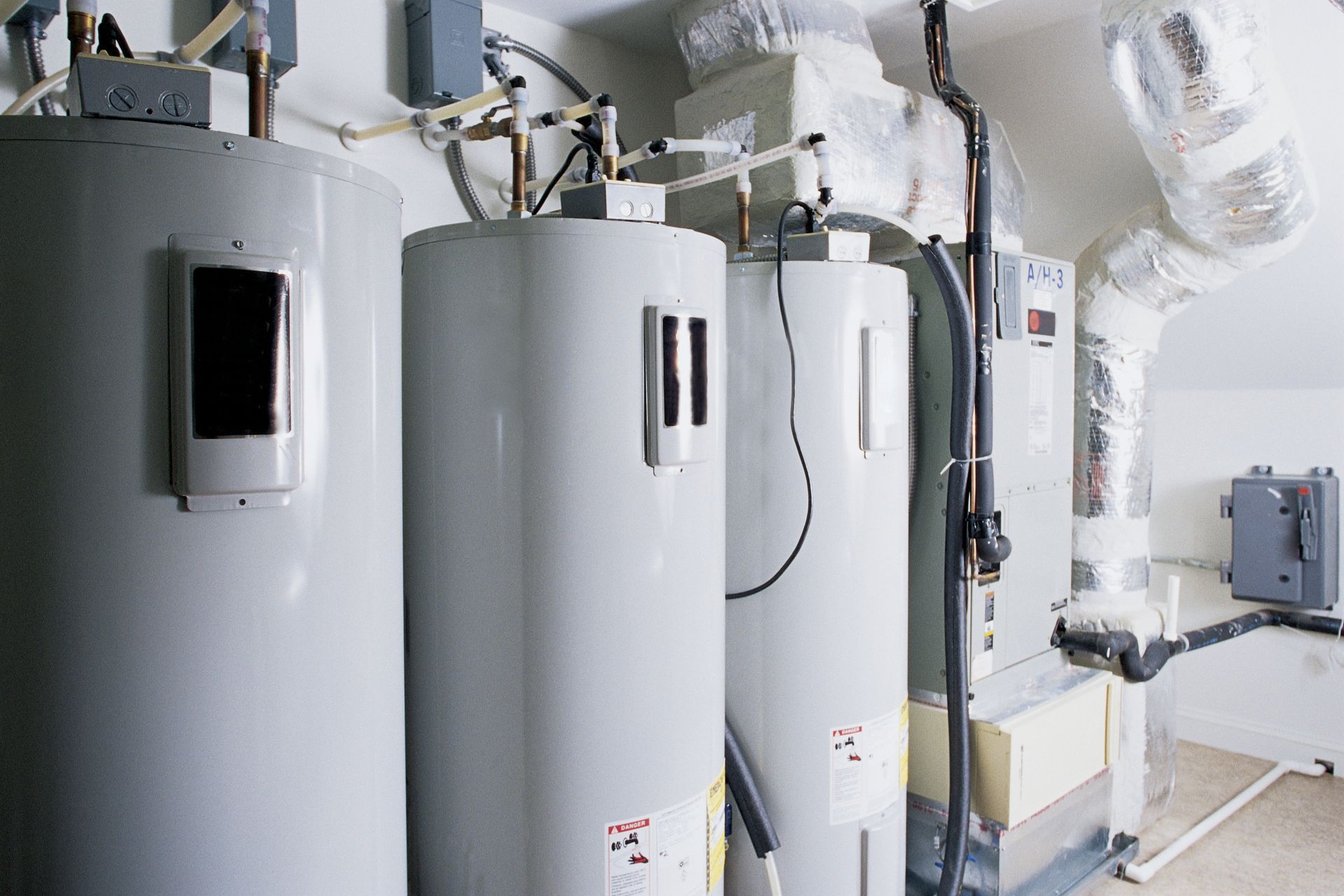
A heat pump installed by a professional HVAC company often comes with maintenance plans and technical support. Experts can schedule routine inspections, clean coils, and monitor refrigerant levels to maintain peak efficiency. Professional support also ensures that any issues are identified early, preventing costly repairs or downtime. Homeowners benefit from a smooth ownership experience, knowing that their system is supported by trained technicians. This ongoing care reinforces the importance of professional installation as it lays the foundation for reliable and hassle-free system operation. Seasonal tune-ups provided by HVAC companies also help preserve warranties, improve energy efficiency, and prevent small issues from turning into major expenses.
Minimizing Environmental Impact
Heat pumps are inherently more environmentally friendly than traditional electric or fossil-fuel-based heating systems, and professional installation maximizes these benefits. An HVAC company ensures the system operates efficiently, reduces energy consumption, and maintains optimal refrigerant handling. Correct installation also prevents leaks or inefficiencies that could compromise environmental performance. Homeowners can feel confident that their heat pump contributes to lower greenhouse gas emissions and sustainable energy usage. Professional expertise ensures that both the economic and ecological advantages of a heat pump are fully realized. By selecting a licensed HVAC company, homeowners can combine environmental responsibility with cost savings while maintaining superior indoor comfort.
Enhancing Property Value
Properly installed heat pumps add value to a home by improving energy efficiency, comfort, and system reliability. Potential buyers recognize the benefits of a professionally installed system that reduces operating costs and minimizes maintenance concerns. A home with a high-quality heat pump can be more attractive on the market, potentially increasing resale value. Professional installation ensures that the system meets performance standards and is fully operational, providing tangible benefits to homeowners both during ownership and upon sale. In addition, modern heat pumps can be paired with renewable energy solutions, further increasing appeal and property value. Well-installed systems also signal to buyers that the home has been maintained with professional care, creating a competitive advantage in the market.
Installing a heat pump through a licensed
HVAC company
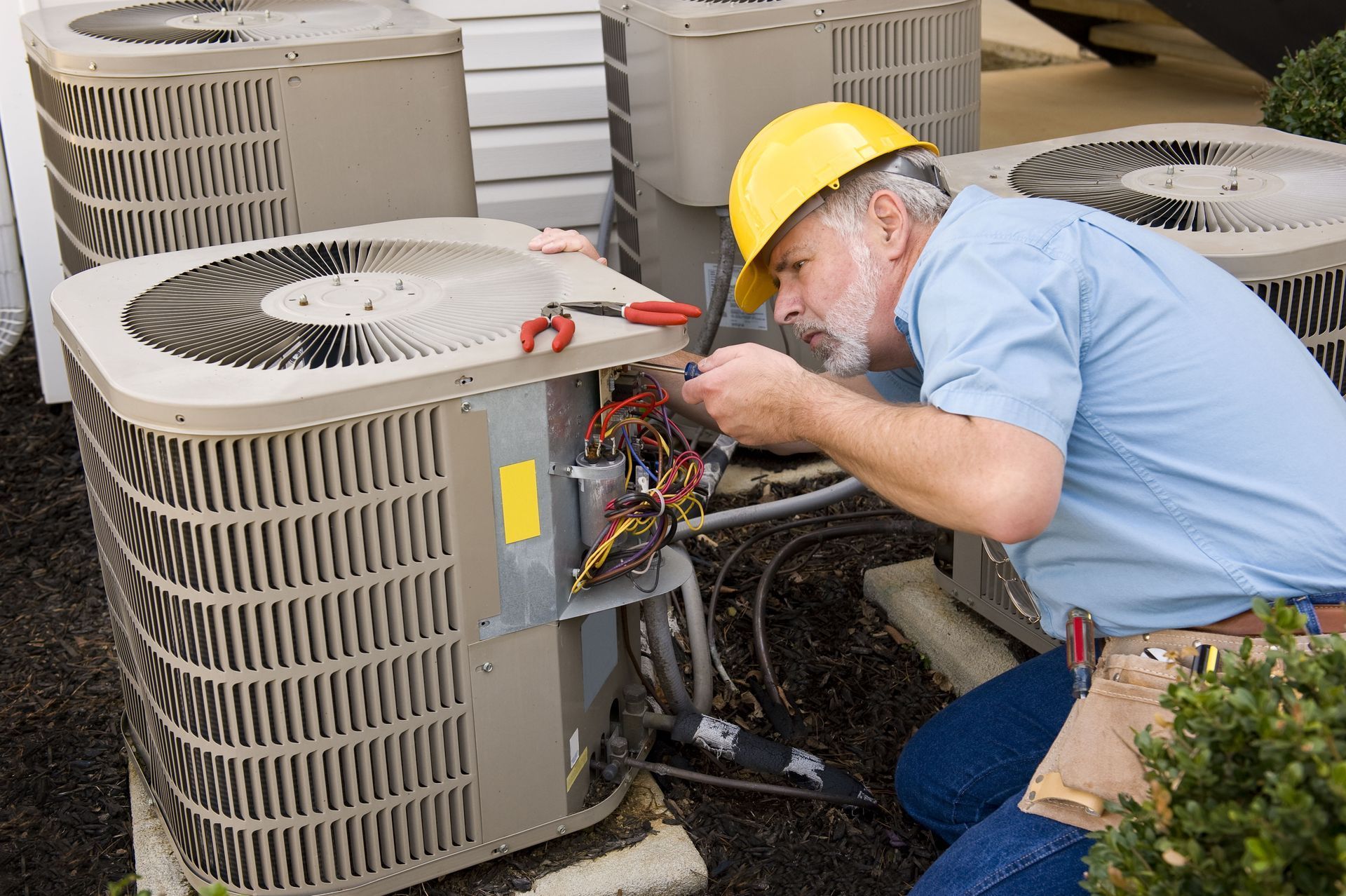
ensures that homeowners receive a system that is safe, efficient, and reliable. From energy savings and enhanced comfort to safety, maintenance support, and long-term value, professional installation delivers benefits that DIY approaches cannot match. The expertise of an HVAC company guarantees proper sizing, setup, and integration with home systems, optimizing performance for years to come.
At Dunton Energy Services, we specialize in professional heat pump installation tailored to each home’s needs. Our team ensures expert setup, reliable operation, and long-term energy savings. Contact Dunton Energy Services today to experience the full advantages of a professionally installed heat pump and enjoy comfort, efficiency, and peace of mind.