November 11, 2026
A comfortable home depends on more than a thermostat setting. When certain rooms feel too warm, cold air barely reaches the bedrooms, or indoor temperatures fluctuate throughout the day, the heating and cooling system may need professional attention. These changes can result from restricted airflow, aging equipment, thermostat issues, ductwork problems, or inadequate insulation. A local HVAC company can evaluate these factors and identify the source of discomfort rather than simply treating the most noticeable symptom.
Changes in indoor comfort may develop gradually, making them easy to overlook until the system struggles during extreme weather. Unusual operating sounds, persistent humidity, weak airflow, and repeated temperature adjustments can all indicate that something needs attention. A qualified technician can inspect the equipment, assess system performance, and explain which repairs or improvements may be appropriate. Early diagnosis can help homeowners make informed decisions before a minor issue develops into a more disruptive problem.
Restoring Reliable Heating and Cooling
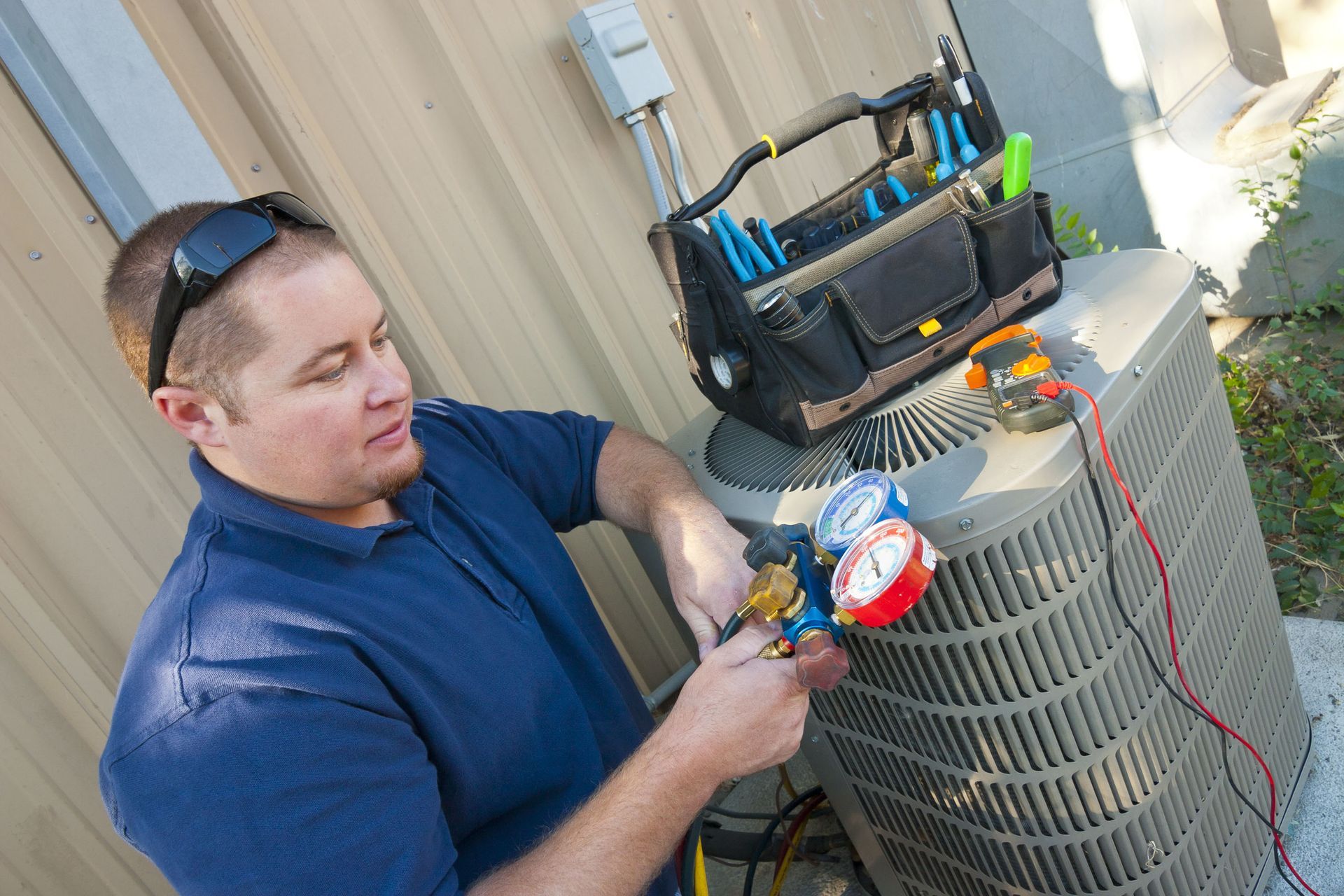
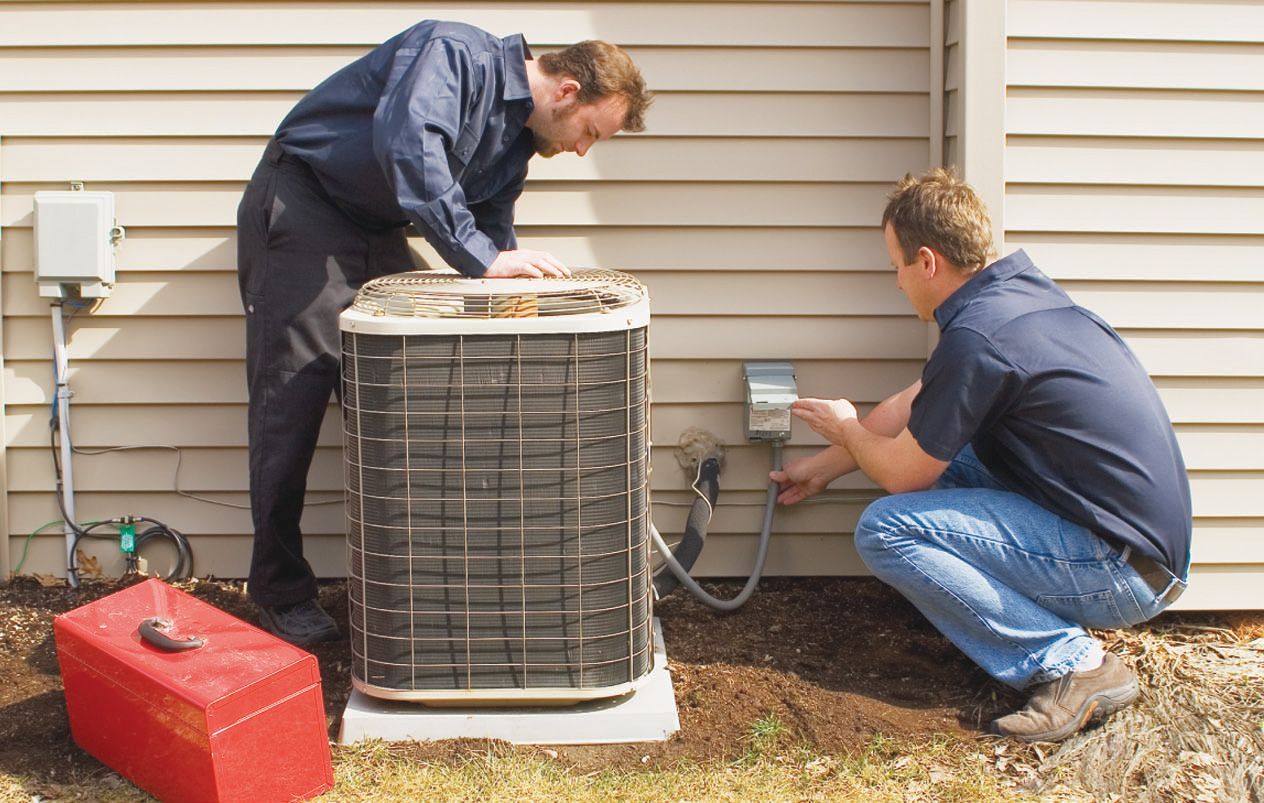
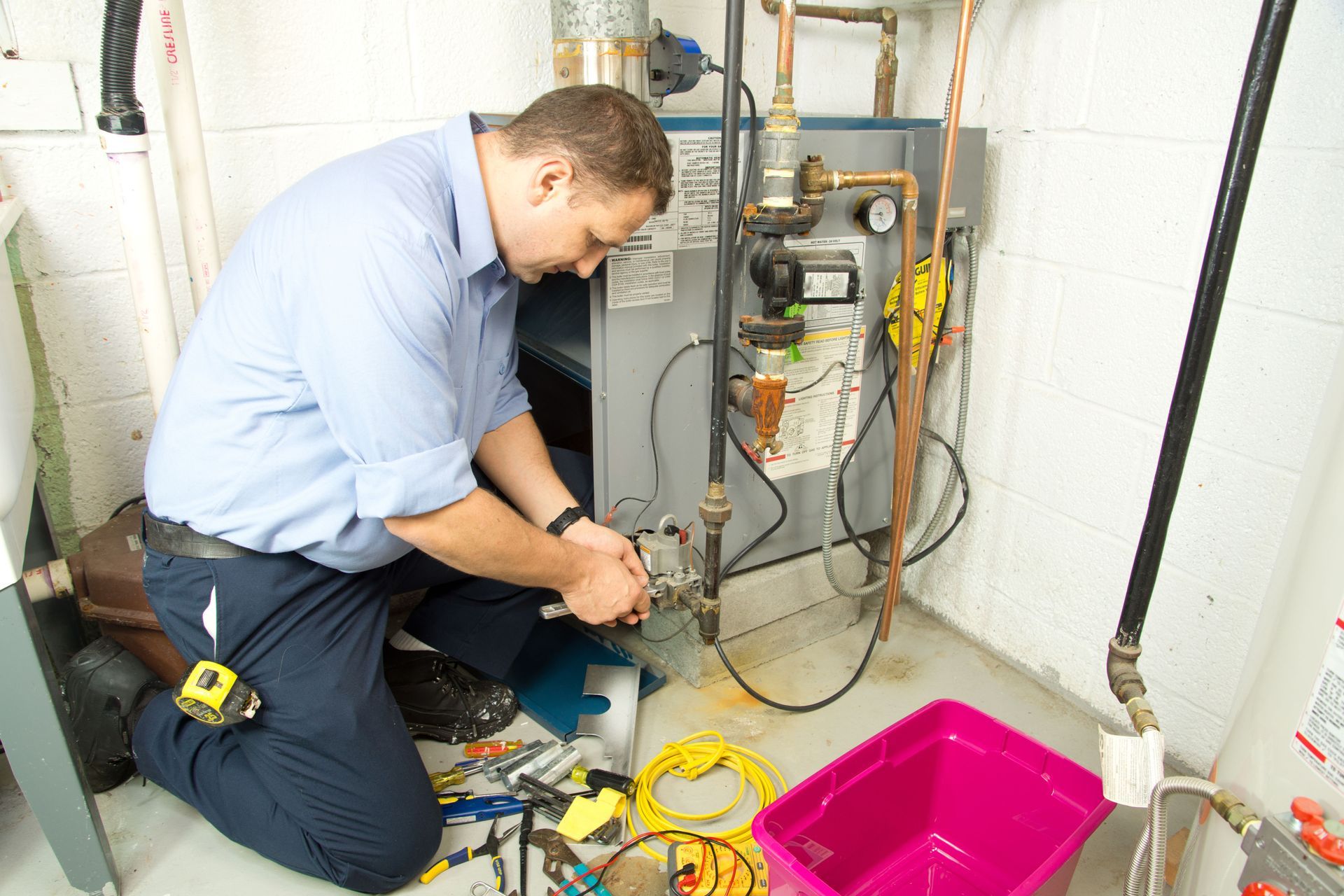
Heating and cooling equipment must operate properly to maintain comfortable indoor temperatures throughout the year. A malfunctioning furnace may struggle to distribute warmth, while an air conditioner with a failing component may run without adequately cooling the home. Professional diagnostics help identify the affected parts and determine whether repair or replacement is the more practical option. A local HVAC company can explain the available solutions based on the equipment’s condition and the household’s comfort requirements.
Reliable service also means considering the system as a whole. A technician may evaluate electrical connections, refrigerant-related components, controls, airflow, and other equipment-specific factors during an inspection. Addressing the actual cause of a malfunction helps avoid unnecessary part replacements and repeated service calls. Once the work is complete, appropriate testing can confirm whether the system is operating as expected and delivering more consistent comfort.
Improving Airflow Throughout the Home
Uneven airflow can make some rooms uncomfortable even when the heating or cooling equipment continues to operate. Restricted ductwork, leaking connections, blocked return-air pathways, and poorly balanced distribution can all contribute to inconsistent temperatures. These issues may also cause certain areas to receive too much conditioned air while others receive too little. A local HVAC company can inspect the distribution system and recommend adjustments suited to the building’s layout.
Ductwork condition is particularly important when conditioned air travels through attics, crawlspaces, or other areas outside the main living space. Leaks and insufficient insulation may allow heated or cooled air to escape before reaching its intended destination. Professional sealing, insulation improvements, or airflow balancing may help reduce these losses and improve room-to-room comfort. A technician can determine which changes are appropriate instead of recommending the same solution for every home.
Supporting Comfort Through Preventive Maintenance
Routine maintenance helps heating and cooling equipment remain in suitable operating condition between major repairs. During a scheduled appointment, a technician can inspect important components, evaluate system controls, check electrical connections, and identify signs of wear. Equipment-specific maintenance may also involve coil cleaning, condensate drainage checks, or other procedures recommended by the manufacturer. Regular attention gives homeowners a clearer picture of their system’s condition before peak heating or cooling seasons arrive.
Maintenance is also an opportunity to discuss changes in performance. If the system has become louder, runs longer than usual, or struggles to maintain the selected temperature, a technician can investigate those concerns during the visit. A local HVAC company can establish a maintenance schedule that reflects the equipment type, usage, age, and manufacturer recommendations. Although maintenance cannot prevent every breakdown, it can help identify developing problems and support consistent performance.
Managing Energy Use and Operating Costs
Heating and cooling account for a substantial share of energy use in many homes. When equipment runs inefficiently, conditioned air escapes, or controls do not match household routines, energy consumption may increase without delivering better comfort. A professional assessment can identify potential sources of waste and help prioritize improvements according to their likely impact. A local HVAC company can also explain whether equipment adjustments, ductwork repairs, insulation improvements, or replacement may offer the most practical path forward.
The broader industry reflects the significant role heating and cooling services play in maintaining residential and commercial buildings. According to IBISWorld, the U.S. heating and air-conditioning contractors industry is projected to reach a market size of approximately $159.4 billion in 2026. This figure describes the industry’s overall market size rather than the amount individual homeowners spend on HVAC services. For homeowners, the relevant consideration is how professional evaluation and appropriately selected improvements can support comfort and help manage operating expenses.
Enhancing Indoor Air Quality and Humidity Control
Indoor comfort also depends on the quality and moisture level of the air circulating through a home. Excess humidity can make rooms feel uncomfortable and contribute to condensation, while excessively dry indoor air may cause irritation. Dust, airborne particles, and other contaminants can also affect the indoor environment. A local HVAC company can assess ventilation, filtration, humidity control, and equipment operation to determine which measures may help address specific concerns.
Available solutions depend on the building and the source of the problem. Filtration upgrades, ventilation improvements, air purification equipment, or humidity-control systems may be appropriate in certain situations. However, not every home needs every product, and equipment must be selected to work with the existing system. A professional can explain the purpose, limitations, maintenance requirements, and compatibility of recommended options before installation.
Evaluating Repairs and System Replacement
When heating or cooling equipment repeatedly requires repairs, homeowners may need to compare continued maintenance with replacement. Age alone does not determine whether a system should be replaced, since condition, repair history, operating performance, and household needs also matter. A technician can explain the severity of the current problem and whether other components show signs of deterioration. This information helps homeowners compare the immediate repair expense with the potential long-term advantages of new equipment.
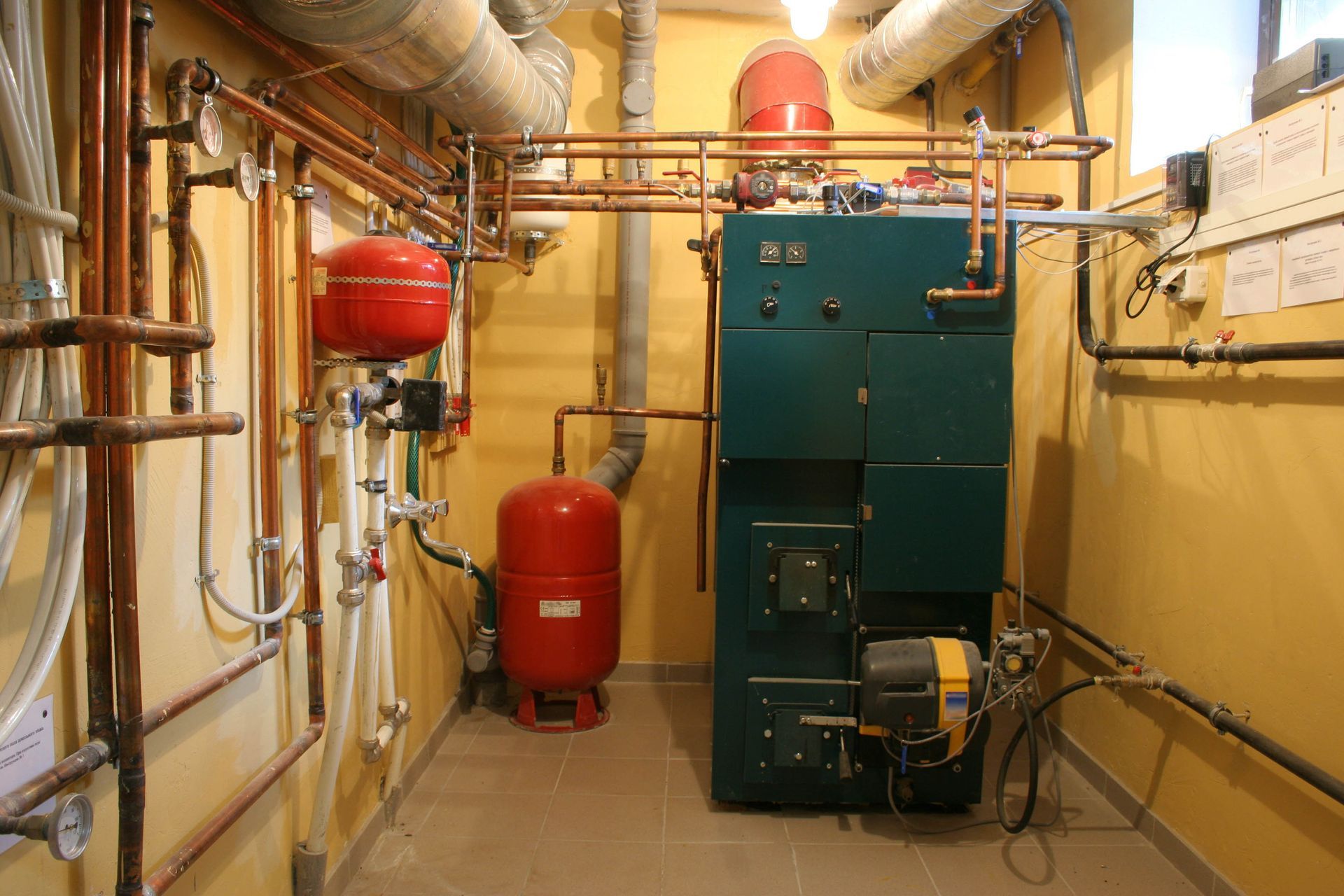
Replacement planning should account for proper sizing, efficiency ratings, installation quality, and the home’s heating and cooling requirements. Equipment that is incorrectly sized may struggle to maintain comfort or cycle more frequently than intended. A local HVAC company can evaluate the building and explain which systems are appropriate for its layout and conditions. Clear estimates that outline equipment, labor, warranties, and expected project requirements also help homeowners understand the investment before making a decision.
Choosing Responsive Professional Service
HVAC concerns do not always appear at convenient times. A furnace failure during cold weather or an air conditioner malfunction during a heat wave can quickly make indoor conditions uncomfortable. When choosing a contractor, homeowners should ask about service availability, diagnostic procedures, estimates, warranties, and the types of equipment the company handles. Clear communication helps set expectations about scheduling, repair options, and the work required.
It is also useful to select a provider with experience relevant to the property and equipment. Residential systems can vary considerably, from traditional furnaces and central air conditioners to heat pumps, mini-splits, and specialized heating equipment. A qualified technician should be able to explain the diagnosis in understandable terms and discuss the advantages and limitations of proposed solutions. Working with a
local HVAC company that offers comprehensive service can simplify ongoing maintenance and future repair planning.
Dunton Energy Services provides residential and commercial HVAC solutions throughout Worcester County and the Blackstone Valley in Massachusetts. Our services include heating and air conditioning installation, repairs, preventive maintenance, heat pump services, and indoor air quality solutions. We also offer free estimates and have 24-hour emergency service available for urgent heating and cooling concerns. Contact Dunton Energy Services to discuss your comfort needs and learn how our team can help you plan the right service for your home or business.